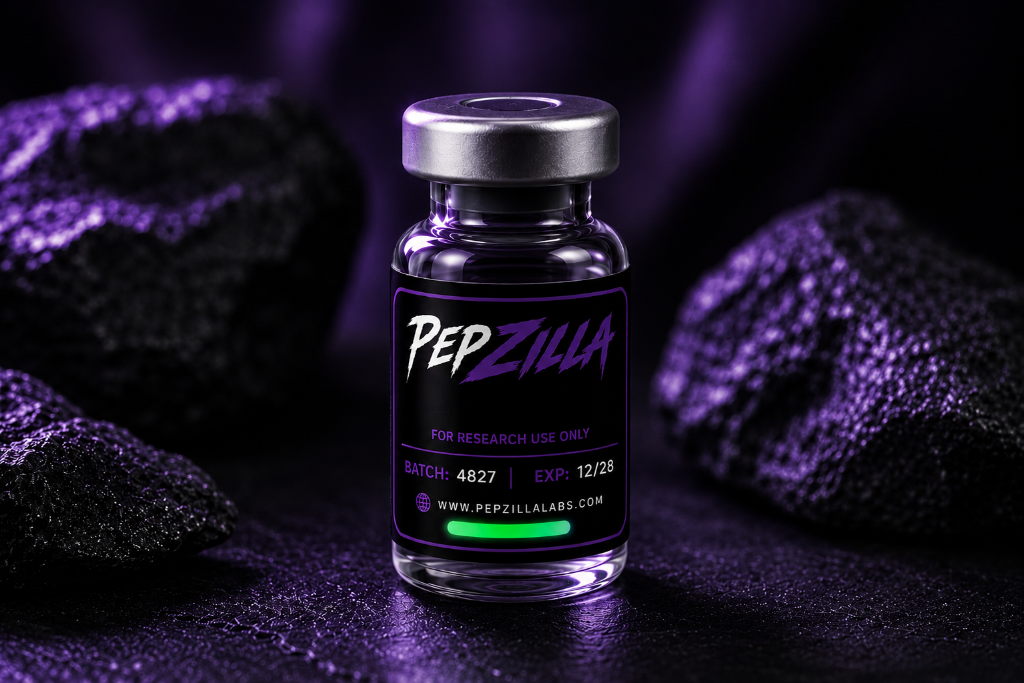
NAD+: Explained Simply
PEPTIDES DISCUSSED
NAD+: The Tiny Helper Your Cells Rely On
NAD+ is a natural compound found in every living cell that helps your body turn food into energy and keep basic repair systems running.
In Simple Terms
If that sounds a little technical, here’s the easy version: NAD+ is one of the small “helper” molecules your cells use all day, every day. Without it, cells would have a much harder time doing the work that keeps living things going.
Researchers are interested in NAD+ because its levels appear to change with age, stress, and overall cell activity. That has made it a hot topic in labs studying energy, aging, recovery, and how cells respond to wear and tear over time.
One reason people keep hearing about NAD+ is that it sits at the center of some very big questions. Why do cells slow down as they get older? How do they repair themselves? What helps them stay efficient under pressure? NAD+ keeps showing up in those conversations, which is why it has attracted so much attention in modern research.
How Does It Work?
A simple way to think about NAD+ is to imagine a delivery driver inside your cells.
Your cells are like busy cities. They need power, maintenance, communication, and cleanup crews all working at once. NAD+ helps move important “packages” from one place to another so those jobs can happen. In particular, it plays a key role in helping cells release energy from the food they use as fuel.
But that’s not all. Researchers also study NAD+ because it seems to be involved in cell repair and in helping cells respond to stress. So, in our city analogy, NAD+ is not just a delivery driver — it also helps support the repair team and keeps essential services moving when traffic gets heavy.
Scientists believe that when NAD+ levels drop, some of those systems may not run as smoothly. That idea is a big reason researchers are exploring whether maintaining healthy NAD+ activity could matter for how cells function over time.
What Is It Studied For?
Here are some of the main areas where NAD+ is being studied:
- Cell energy: How cells make and use energy efficiently
- Aging research: Why cells change over time and what may influence that process
- Cell repair: How cells respond to damage and everyday stress
- Brain and nerve research: How energy and cell maintenance may affect mental sharpness and nervous system function
- Muscle and physical performance research: How cells recover and produce energy during activity
- Metabolism: How the body handles fuel, including sugars and fats
- Mitochondrial function: How the cell’s “power plants” stay active and efficient
It’s important to remember that “being studied for” does not mean “proven to do.” It simply means researchers see enough potential to keep investigating.
Things to Know
- NAD+ is naturally present in the body. It isn’t some strange foreign material — it’s already part of normal biology.
- Levels may shift over time. Researchers often discuss how NAD+ changes with age and stress.
- It’s a major lab interest. NAD+ shows up in conversations about energy, resilience, and longevity research.
- Not all research compounds are the same. Serious laboratories care about purity, consistency, and careful testing when working with specialized compounds.
- Research is still evolving. There is excitement around NAD+, but there is also a lot scientists are still working to understand.
Why Researchers Are Excited
NAD+ has become one of those rare compounds that feels both foundational and futuristic. It’s deeply connected to how cells work at the most basic level, yet it also sits at the center of cutting-edge research on energy, repair, and aging. That mix gives it a certain buzz — the kind that draws attention from ambitious labs, forward-thinking researchers, and the wider longevity and performance world.
In other words, NAD+ isn’t just another scientific acronym. It’s one of the compounds helping shape some of the most intriguing questions in modern research.
Disclaimer: NAD+ described here is a research compound intended for laboratory use only. It is not for human consumption, not intended to diagnose, treat, cure, or prevent any disease, and should only be handled by qualified professionals in appropriate research settings.
SHOP RELATED COMPOUNDS
Research-grade peptides mentioned in this article