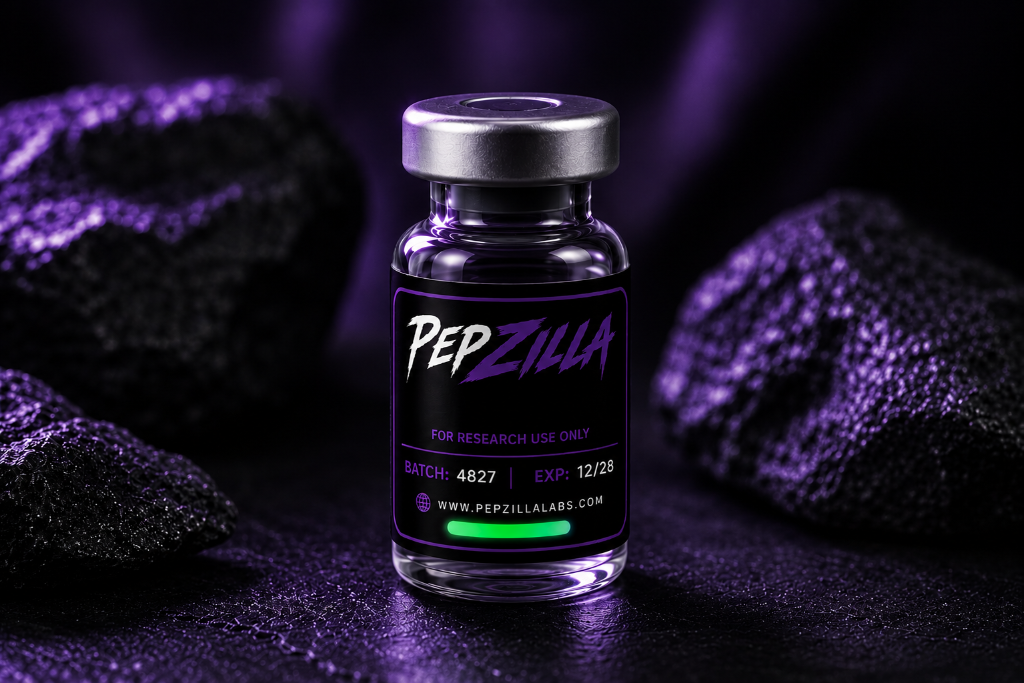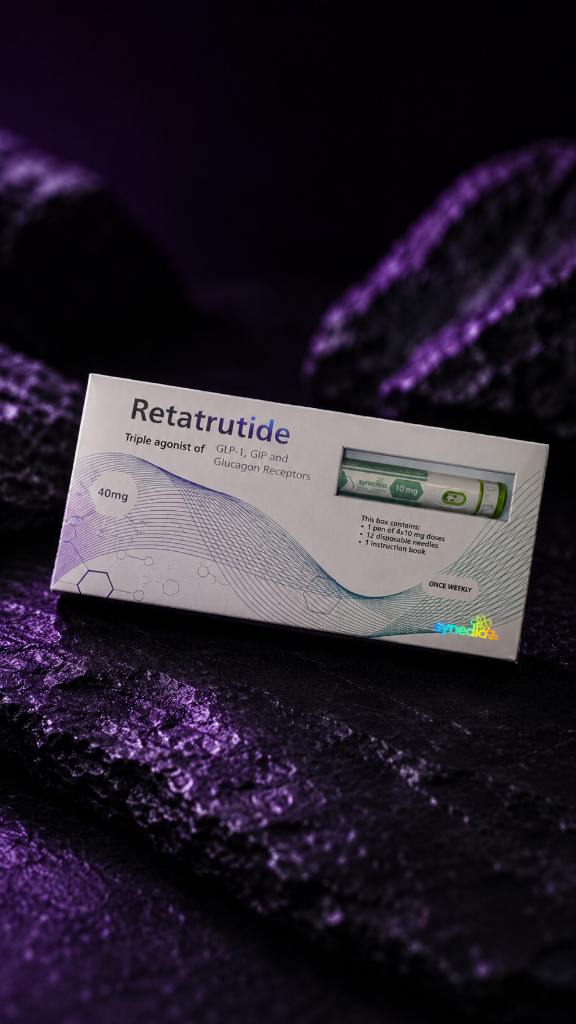
Retatrutide and the New Generation of Weight Loss Research
PEPTIDES DISCUSSED
Retatrutide vs. Semaglutide vs. Tirzepatide: A Simple Guide to Today’s Most Talked-About Weight Loss Research Compounds
If you’ve been hearing more about peptide research lately, you’re not alone. A few compounds have become especially popular in research circles because they appear to affect appetite, fullness, and how the body uses energy. In plain English, these compounds seem to work by helping the body “listen” more closely to its own hunger and metabolism signals.
Right now, the three names getting the most attention are semaglutide, tirzepatide, and retatrutide. All three are part of a new wave of research compounds, but they don’t work in exactly the same way.
The Current Compounds
Let’s start with the two most familiar names: semaglutide and tirzepatide.
Semaglutide targets one hormone signal: GLP-1. That hormone is involved in feelings of fullness, appetite control, and blood sugar balance. A simple way to think of semaglutide is that it helps turn up the body’s “I’ve had enough food” signal. In studies, semaglutide has been linked to about 14% to 19% body weight reduction.
Tirzepatide goes a step further. It targets two hormone signals: GLP-1 and GIP. That gives researchers a broader way to influence appetite and metabolic function. If semaglutide is like using one tool, tirzepatide is like opening a toolbox and using two at once. In studies, tirzepatide has shown about 15% to 20% body weight reduction.
For many people following this research, tirzepatide looked like the next big leap because it added a second pathway instead of relying on just one.
Enter Retatrutide
Now comes retatrutide, which is often described as a triple agonist. That means it targets three hormone signals: GLP-1, GIP, and glucagon.
Why does that matter? Here’s an easy analogy: imagine trying to manage a busy room with one switch, then two switches, and finally a full control panel. Semaglutide works with one major signal. Tirzepatide works with two. Retatrutide works with three, giving researchers a more layered way to influence hunger, fullness, and energy use.
The glucagon piece is especially interesting because it may affect how the body uses stored energy. So instead of only dialing down appetite, retatrutide may also help change the body’s energy balance in a bigger way. That triple-action approach is a big reason it has become one of the most glamorous and closely watched names in cutting-edge peptide research.
The Numbers
This is where retatrutide really stands out.
- Semaglutide: about 14% to 19% body weight reduction in studies
- Tirzepatide: about 15% to 20% reduction
- Retatrutide: a 2026 study showed about 28% body weight reduction, or an average of 70.3 pounds
That retatrutide result is the largest ever seen in this area of research, which helps explain why researchers are so intrigued. When a compound posts numbers that far ahead of the current field, people pay attention.
Where Things Stand
Even with all the excitement, it’s important to keep perspective.
Semaglutide and tirzepatide are already well known in the public conversation, so many people have at least heard their names. Retatrutide, however, is still being studied and is not widely available. It remains more of a research-world compound than an everyday name.
That’s why so much focus remains on ongoing studies. Researchers still want to learn more about how retatrutide performs over time, what makes it different in various groups, and how its reported effects compare in the real world of controlled research settings.
Things to Know
A few plain-English facts are helpful here:
- These compounds are typically discussed as injections
- Reported effects in studies have included nausea, diarrhea, and other stomach-related discomfort
- Not everyone responds the same way
- Bigger results do not automatically mean simpler research outcomes
Another point that matters in serious research: quality matters. In peptide work, researchers pay close attention to purity, handling, storage, and consistency. Premium-quality, lab-grade research compounds are important because reliable results depend on reliable materials.
Why Researchers Are Excited
Retatrutide has that rare “next chapter” energy around it. In a field already full of attention-grabbing findings, it managed to raise eyebrows again. A triple-hormone approach, eye-catching numbers, and a fresh wave of questions to explore—it’s easy to see why it has become such a buzzworthy topic.
Semaglutide opened the door. Tirzepatide showed what a dual-target approach could do. Retatrutide now brings a more advanced, high-gloss, cutting-edge feel to the conversation. For researchers watching the future of weight-focused peptide science, it’s one of the most intriguing compounds in the room.
Disclaimer: These are research compounds for laboratory use only and NOT for human consumption.
SHOP RELATED COMPOUNDS
Research-grade peptides mentioned in this article