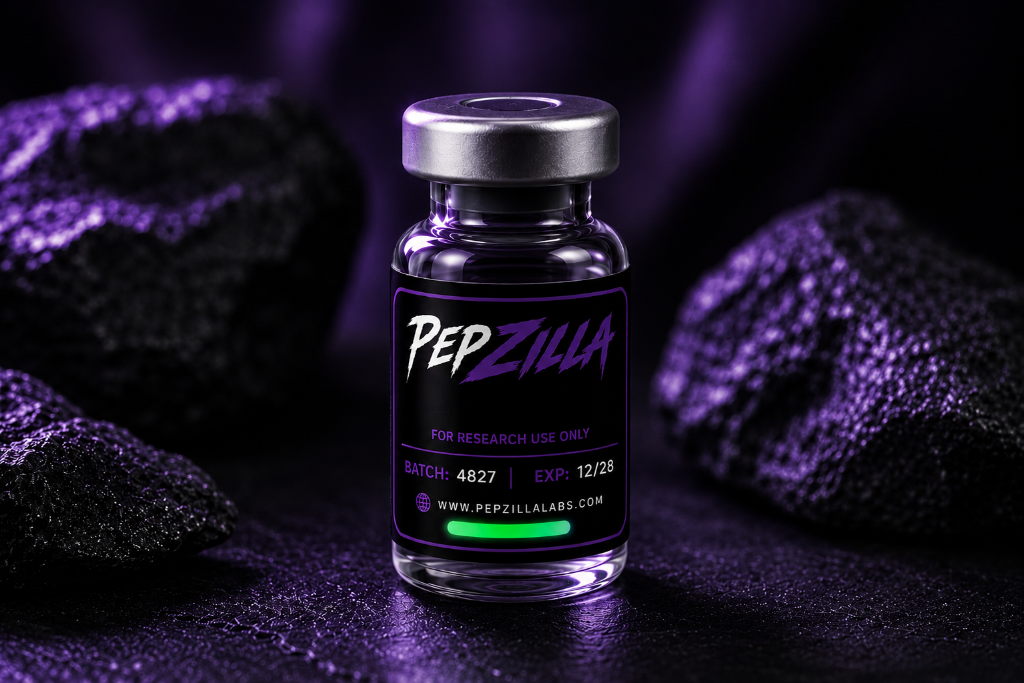
TB-500: Explained Simply
PEPTIDES DISCUSSED
TB-500: A Simple Guide to a Research Compound People Are Curious About
If you’ve been hearing about TB-500, the simplest way to describe it is this: it’s a lab-made compound that researchers study because of its possible role in healing and recovery.
In Simple Terms
TB-500 is a research peptide, which means it’s a small chain of building blocks similar to things your body naturally uses. It is linked to a naturally occurring protein called thymosin beta-4, which is found in the body and is involved in repair processes. TB-500 is basically a version researchers use in lab settings to explore how it may affect recovery, movement, and tissue repair.
In everyday English, people are interested in TB-500 because it has been studied for how it might help the body deal with damage. Researchers look at it in connection with things like muscles, tendons, and other soft tissues. The big reason it gets attention is that it may play a part in the body’s normal repair signals.
It’s important to remember that TB-500 is still a research compound. That means scientists are studying it to learn more, not treating it as an approved everyday wellness product.
How Does It Work?
A simple way to think about TB-500 is to imagine a road repair crew after a storm.
When roads get damaged, you need signals to send workers to the right place, clear debris, and help traffic move smoothly again. Researchers think TB-500 may work in a somewhat similar way inside the body. The idea is that it may help support the body’s repair response by encouraging cell movement and helping tissues organize themselves during recovery.
Another way to picture it: if the body is like a construction site, TB-500 is being studied as something that may help the crew communicate and get to the damaged area faster. Scientists are especially interested in whether it may support flexibility, blood vessel growth in healing areas, and the general repair process.
That sounds exciting, but it’s still an area of ongoing research, and there’s still a lot to learn.
What Is It Studied For?
Researchers have explored TB-500 in several main areas:
- Muscle recovery: Studied for its possible role in helping muscles recover after strain or damage
- Tendon and ligament research: Looked at for how it may affect connective tissues
- Wound healing: Studied for its possible involvement in the body’s repair process
- Inflammation-related research: Explored for how it may interact with the body’s response to injury
- Mobility and flexibility: Investigated for whether it may support smoother movement during recovery
- Blood vessel support: Researched for its possible role in helping the body build support systems around healing tissue
These are research areas, not proven benefits in people.
Things to Know
Here are a few simple facts about TB-500:
- It is not the same as a vitamin or supplement. It’s a peptide used mainly in research settings.
- It gets attention because it is tied to natural repair processes. That’s a big reason scientists keep studying it.
- A lot of the excitement comes from early-stage and preclinical interest. That means not everything is fully proven in humans.
- Quality matters in research. Serious labs usually care a lot about purity, handling, and consistency when working with compounds like this.
- It is often talked about in performance and recovery circles. That has helped give it a kind of high-profile, cutting-edge reputation.
Why Researchers Are Excited
TB-500 has become one of those compounds that gives peptide research a modern, almost next-generation feel. It sits at the crossroads of recovery, repair, and high-level scientific curiosity, which is exactly why it keeps showing up in conversations among forward-thinking researchers and people fascinated by emerging lab science. Its appeal comes from the possibility that it may tap into the body’s own repair playbook in a smart and efficient way.
That mix of mystery, promise, and cutting-edge research is what gives TB-500 its buzz.
Disclaimer: TB-500 is a research compound intended for laboratory use only. It is NOT approved for human consumption, medical use, or self-experimentation.
SHOP RELATED COMPOUNDS
Research-grade peptides mentioned in this article